Warehouse Management Blog
Expert guidance on warehouse operations, ERP integration, ROI optimization, and industry trends from the eveXso team.
Recent Blogs

Five Questions Your Warehouse Can't Answer Quickly
The answers are in the system, on the floor, or in someone's head. The problem is how long they take to find. Five everyday questions, and what changes when AI can read your live warehouse data.
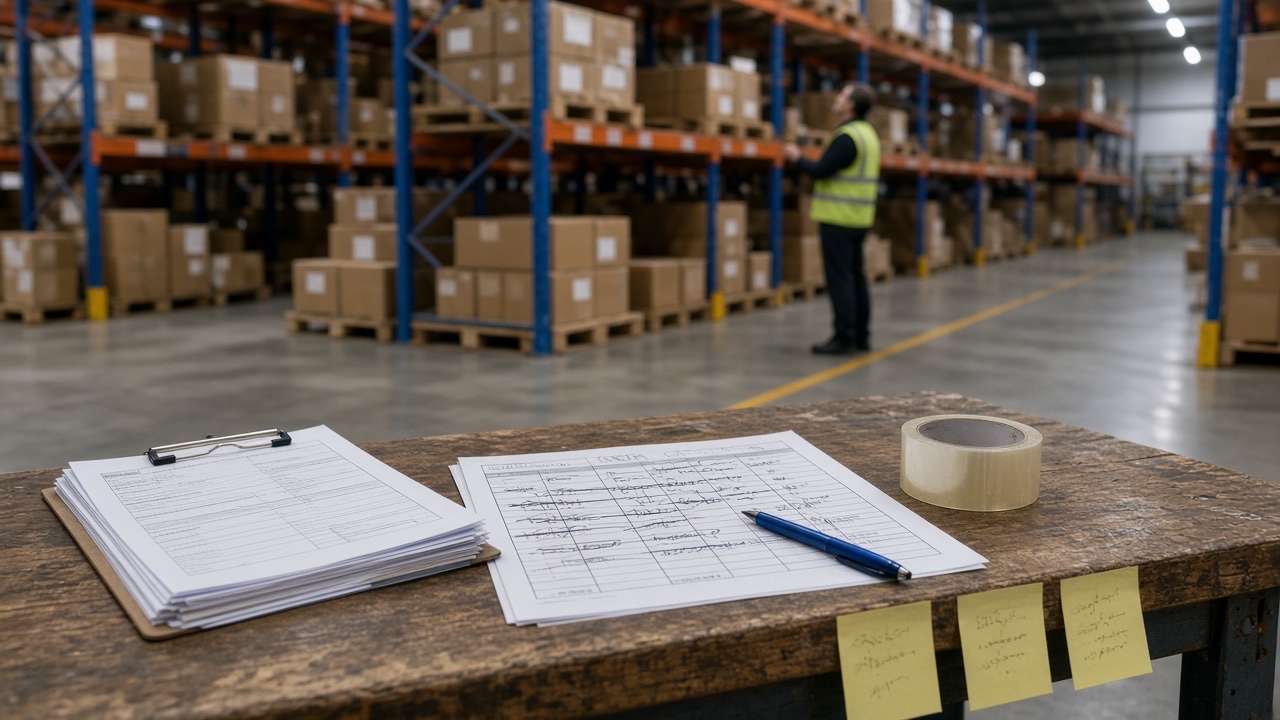
When Is the Right Time to Buy a WMS?
Most warehouses buy a WMS after a bad peak, a lost customer, or a stocktake that did not come close. The better time was usually a year earlier. Here is how to tell.
The Square Metre You Already Pay For: Warehouse Rents in Australia and What a WMS Does to Space
Face rents have stopped sprinting. They have not gone back to 2021. For most operators the cheapest square metre is the one already inside the building.
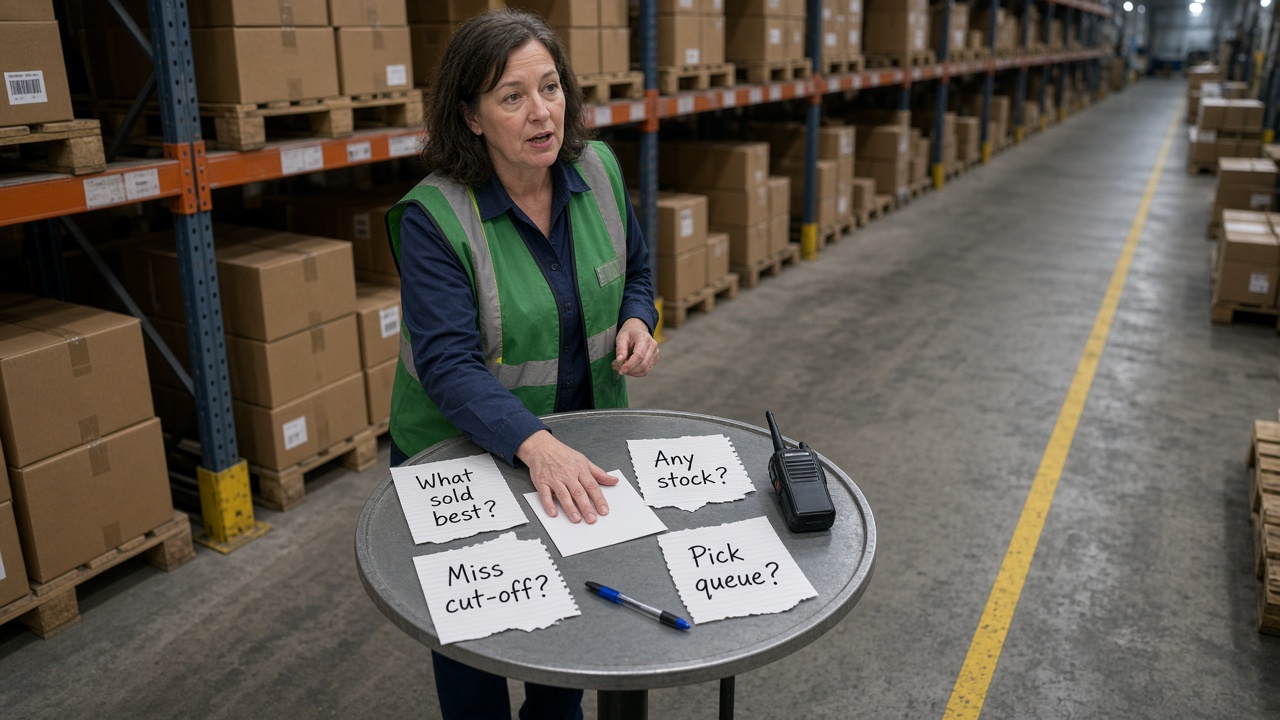
12 Questions Warehouse Managers Actually Ask Dave
Not a feature list. Twelve questions as someone would actually type them, what Dave does with each, and what comes back. If you recognise your own Monday, that is the point.
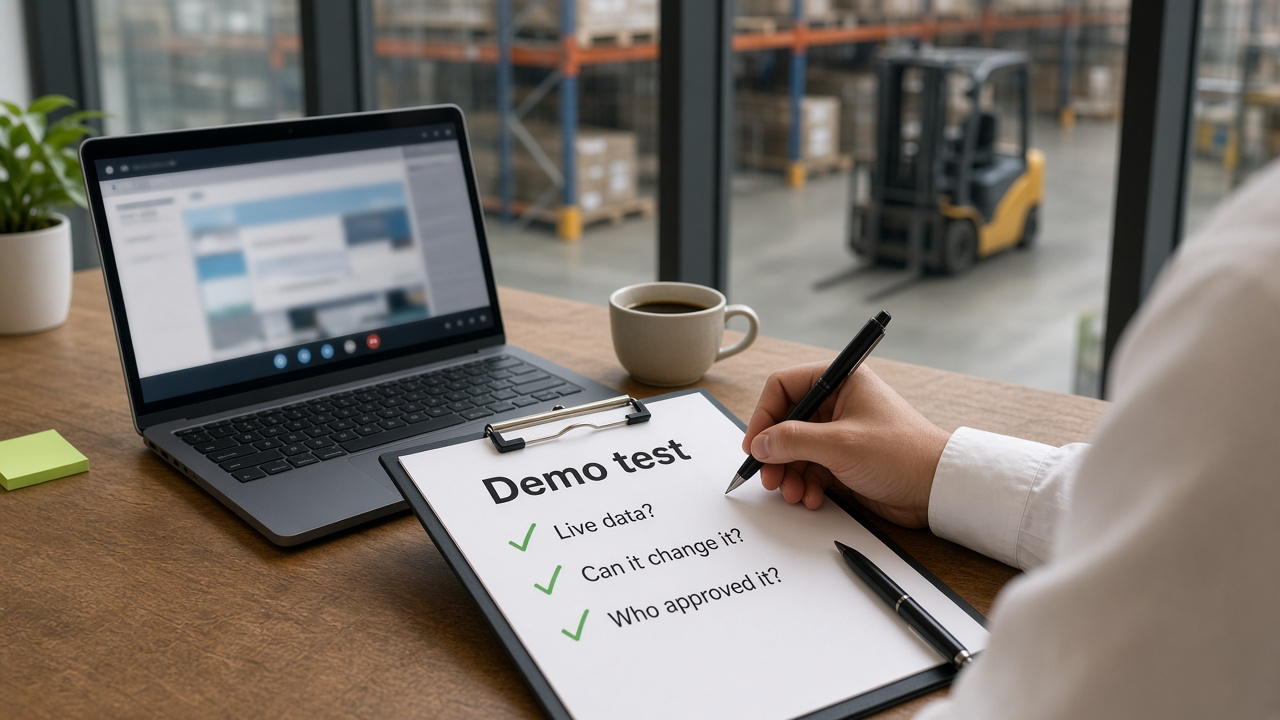
Chatbot, Copilot or Agent: A Plain-English Guide for Logistics Buyers
Three words, three genuinely different products, and one shared marketing vocabulary. Here is a test you can run in ten minutes of a demo, instead of a taxonomy you have to memorise.
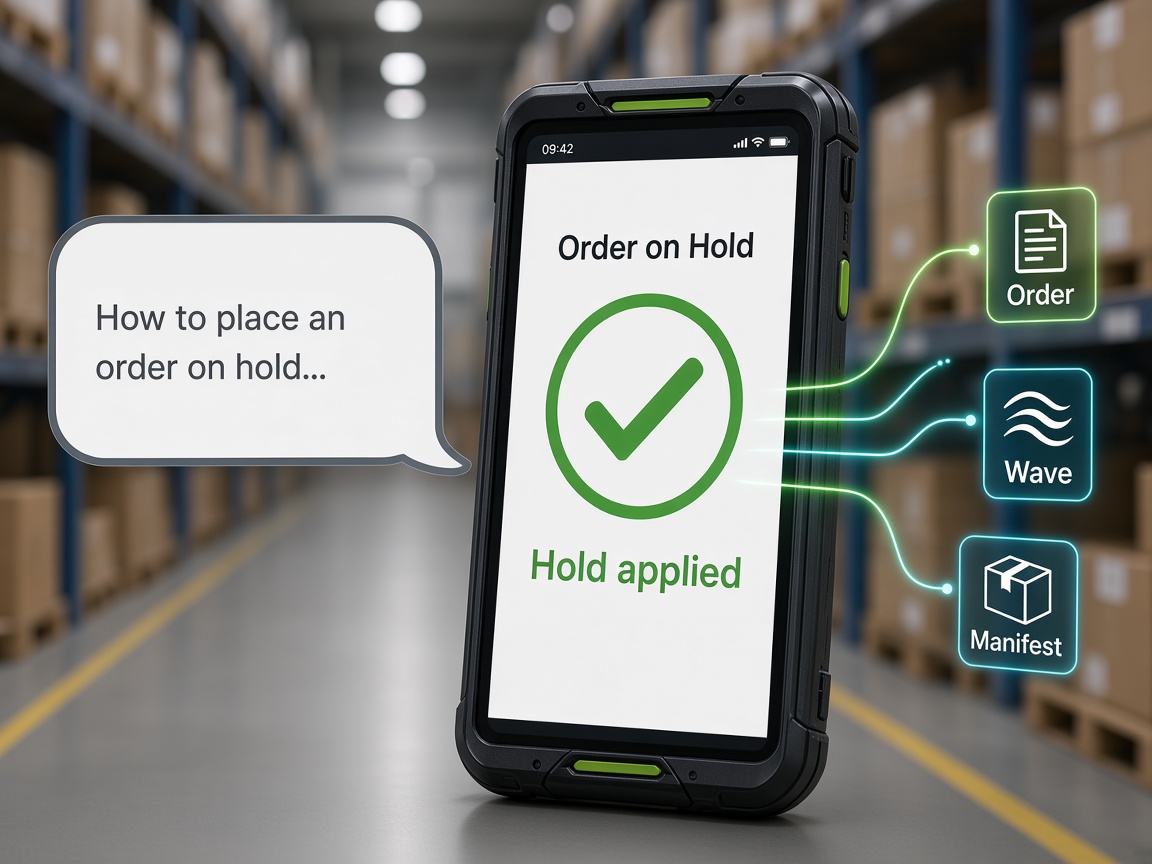
What Agentic AI Actually Means in a Warehouse
The distinction that matters to a warehouse is not how clever the model is. It is whether the thing can act. Here is a usable definition of agentic AI, what it requires that a chatbot does not, and the one question that settles it in a demo.
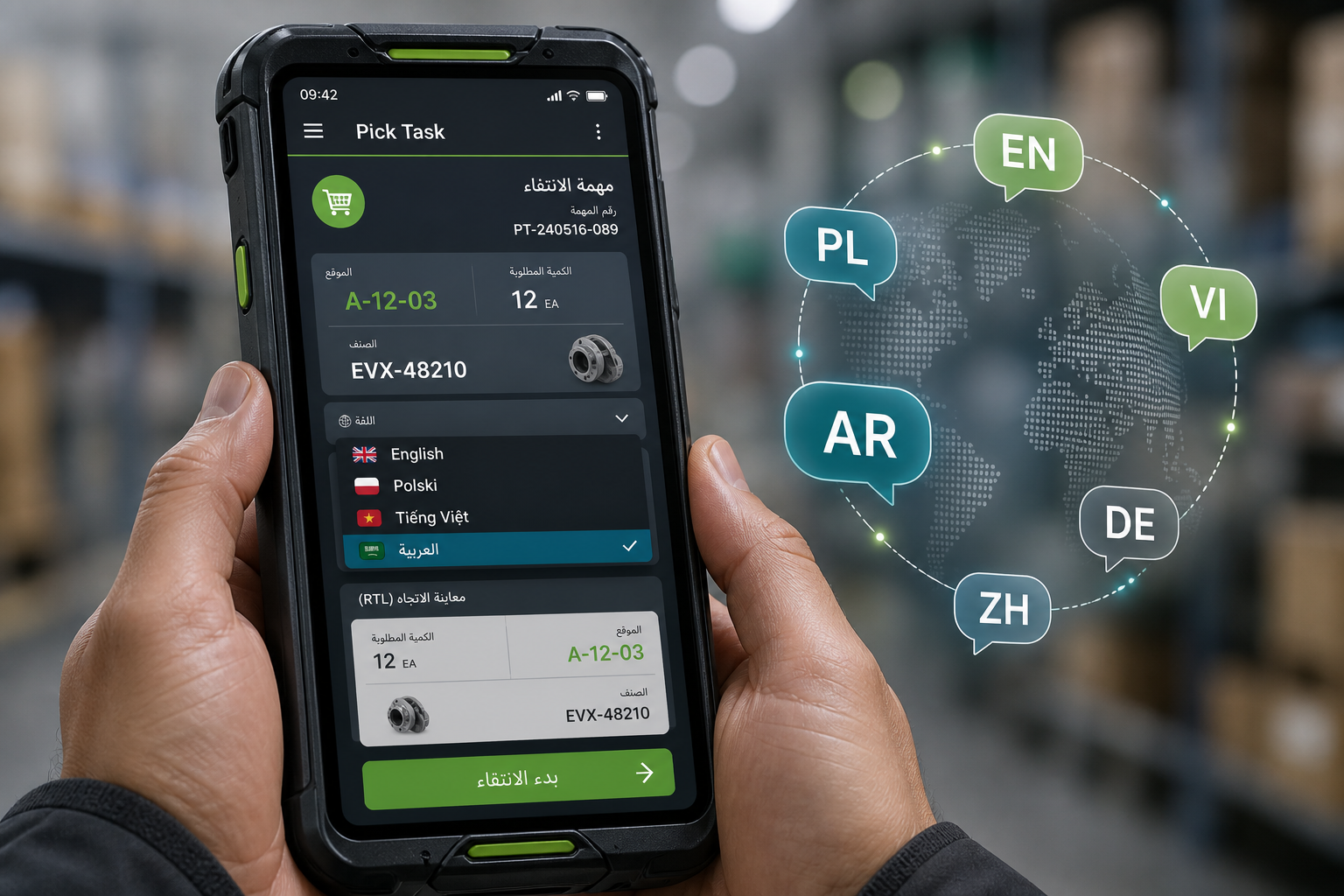
Why Multilingual WMS Matters for Warehouse Floor Teams
Management often runs in English. The floor often does not. Here is why native-language WMS, transport, and production screens matter for onboarding, pick accuracy, and safety — and what to ask vendors before you buy.
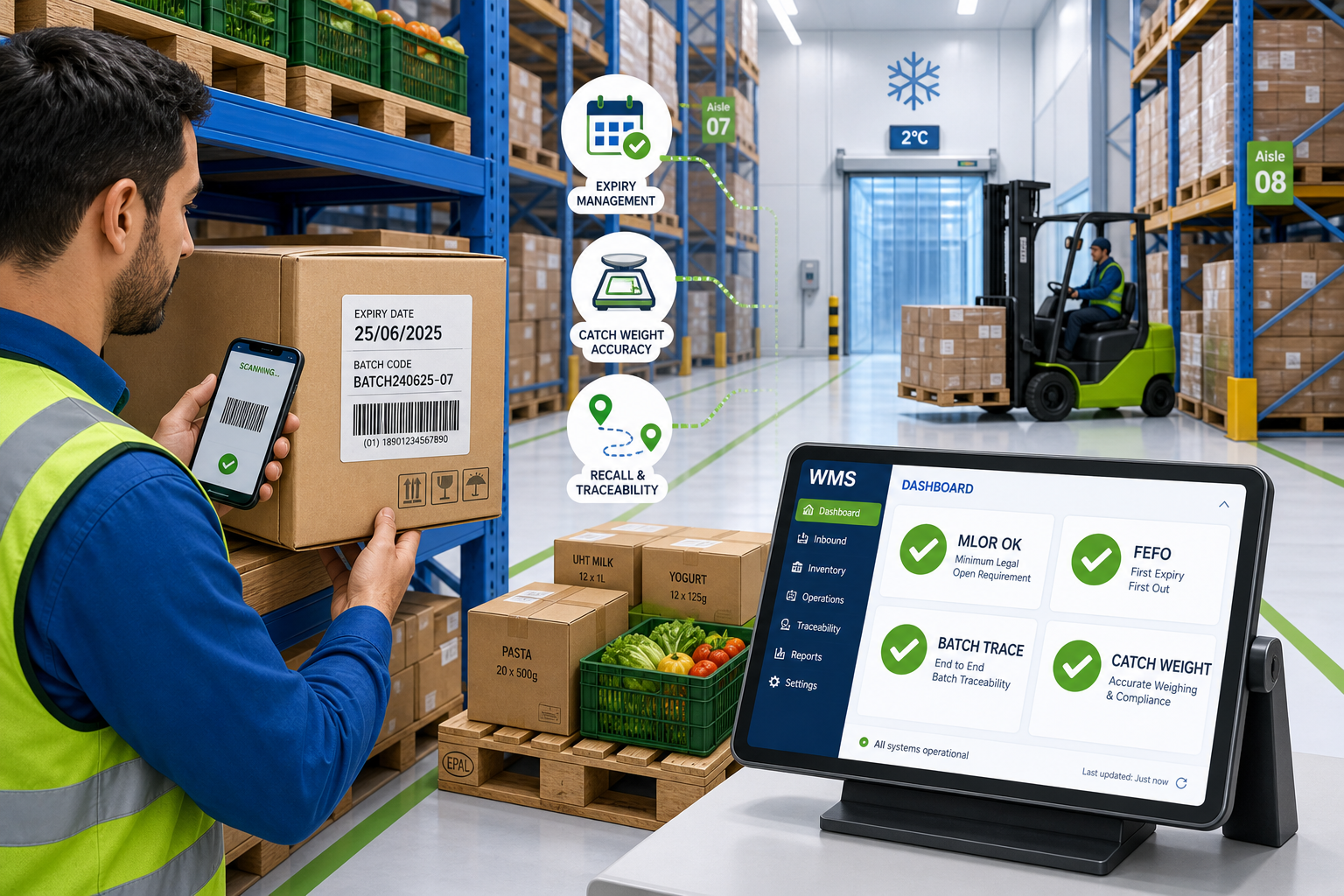
WMS for Food Distribution and FMCG: What Actually Matters on the Floor
FMCG warehouses do not fail on volume — they fail on visibility. Expiry dates drift, batches get mixed, and pickers ship stock the ERP says is fine. Here is what a WMS actually needs for food distribution.
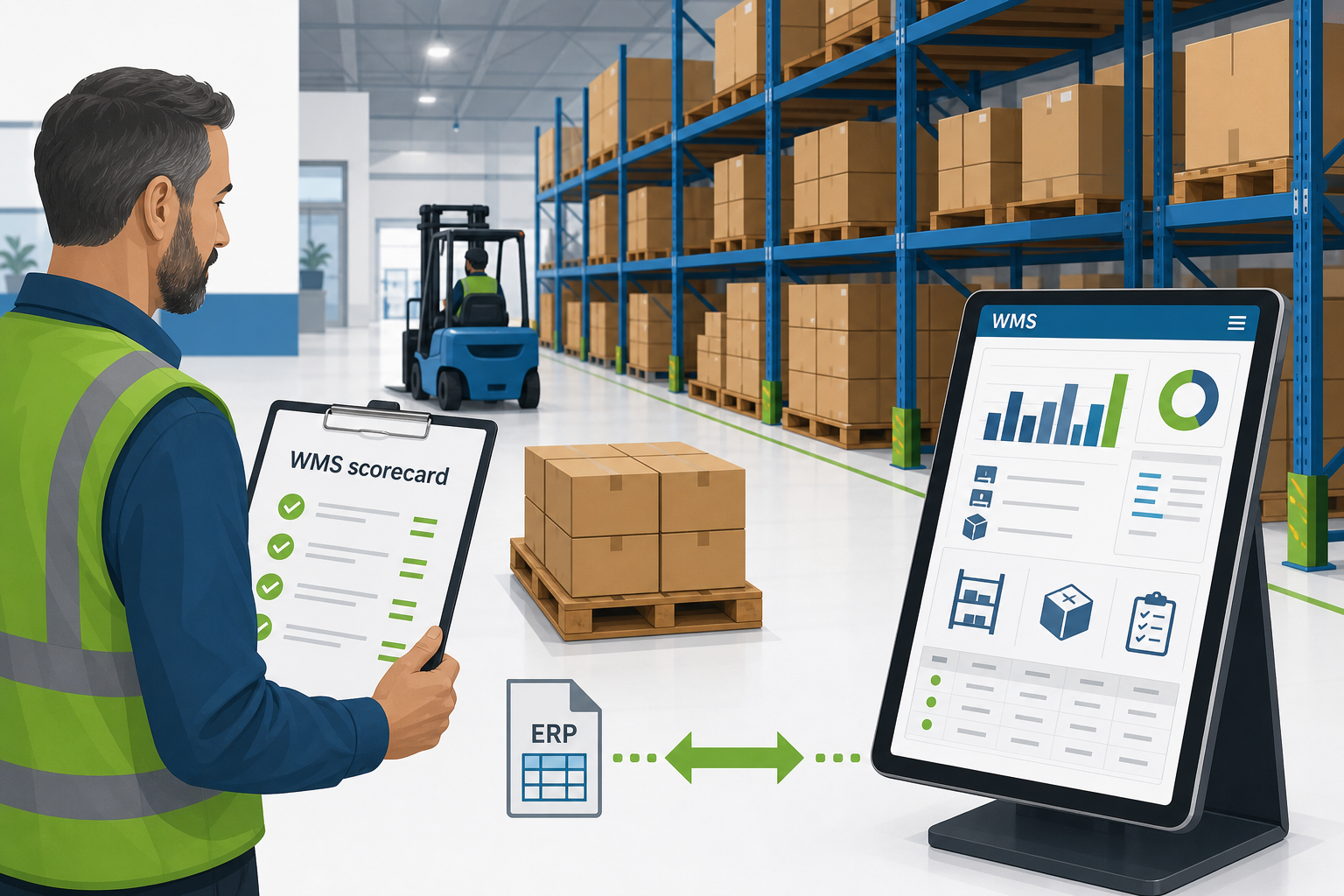
How to Choose a WMS in 2026: A Practical Buyer's Guide
The best WMS for your business is not the one with the longest feature list — it is the one that matches your ERP, your compliance rules, and how fast you can actually go live. This guide walks through a structured way to evaluate warehouse management systems in 2026.
Have a Question?
Chat with our sales assistant about warehouse operations, integrations, or any topic from our blog.