Operations & Efficiency
Best practices for warehouse operations, accuracy, and throughput optimization.
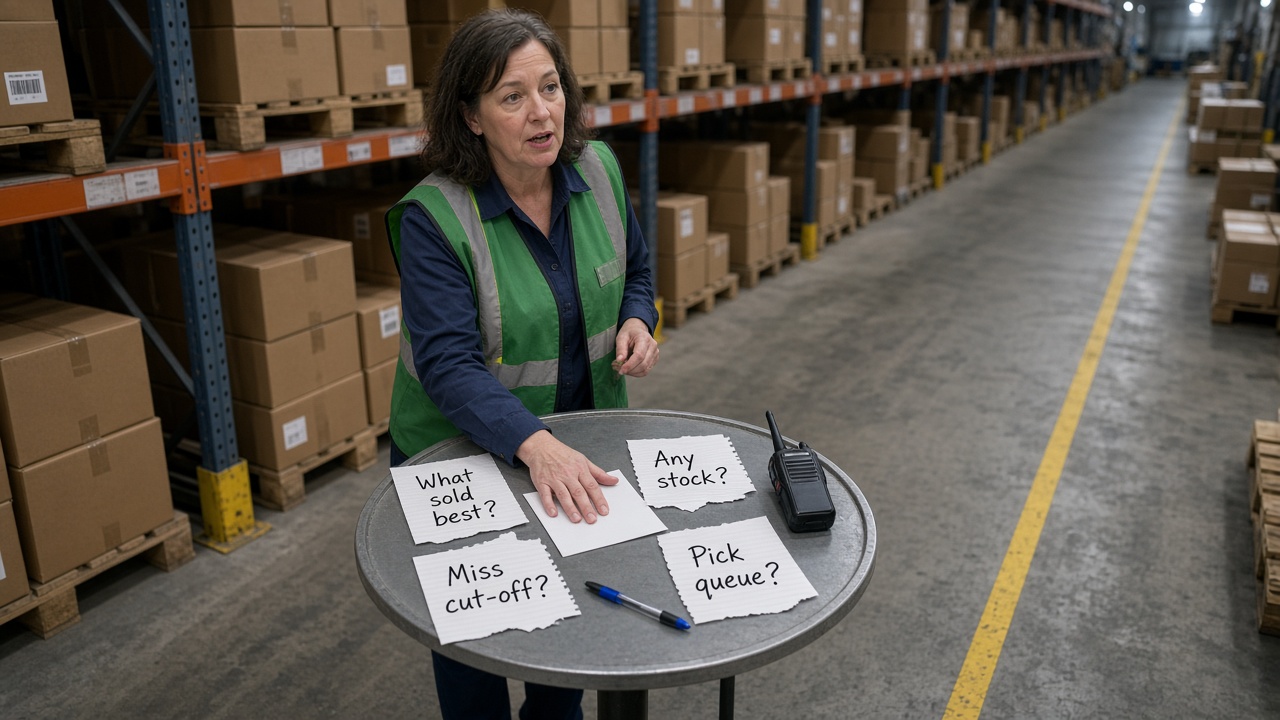
12 Questions Warehouse Managers Actually Ask Dave
Not a feature list. Twelve questions as someone would actually type them, what Dave does with each, and what comes back. If you recognise your own Monday, that is the point.
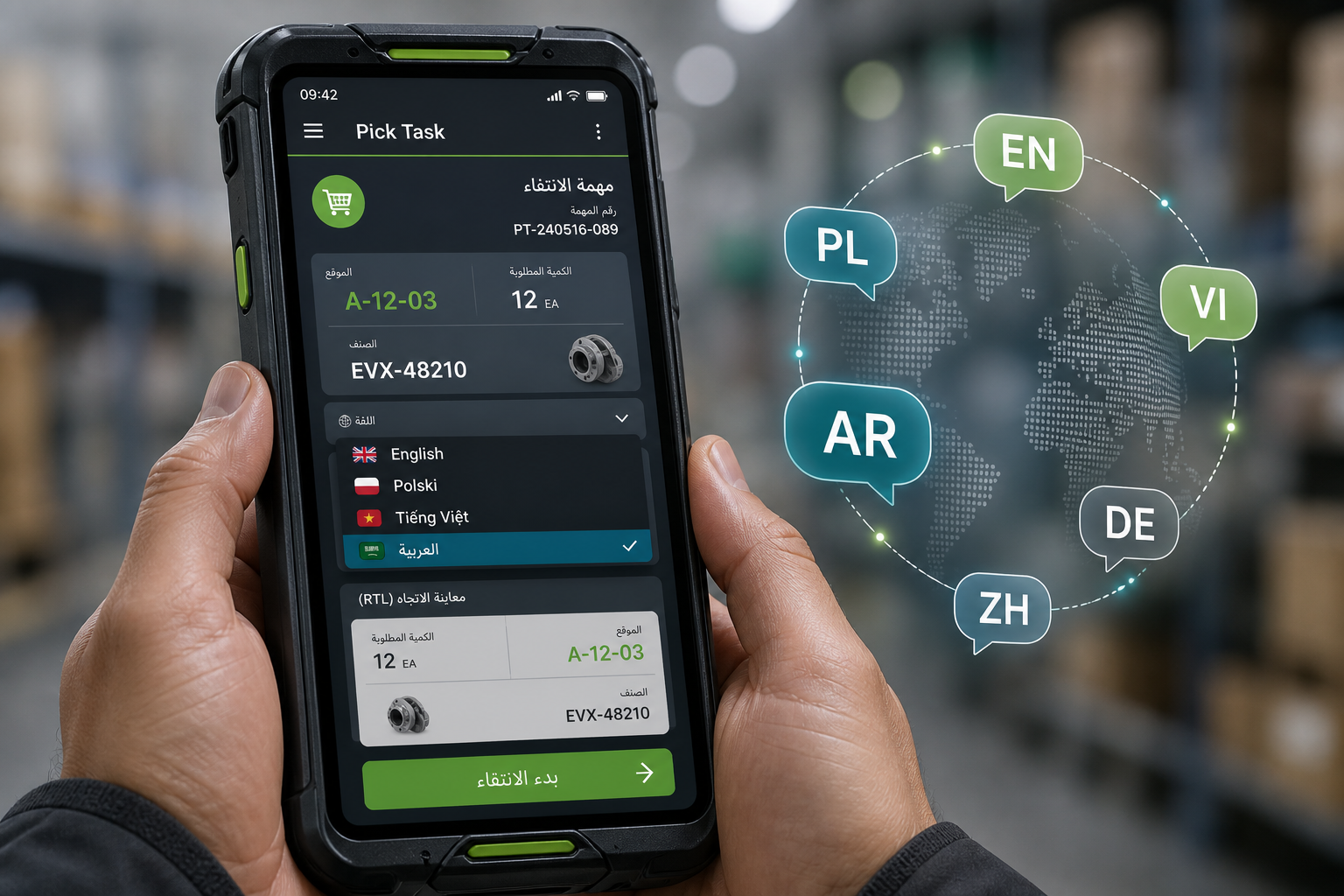
Why Multilingual WMS Matters for Warehouse Floor Teams
Management often runs in English. The floor often does not. Here is why native-language WMS, transport, and production screens matter for onboarding, pick accuracy, and safety — and what to ask vendors before you buy.
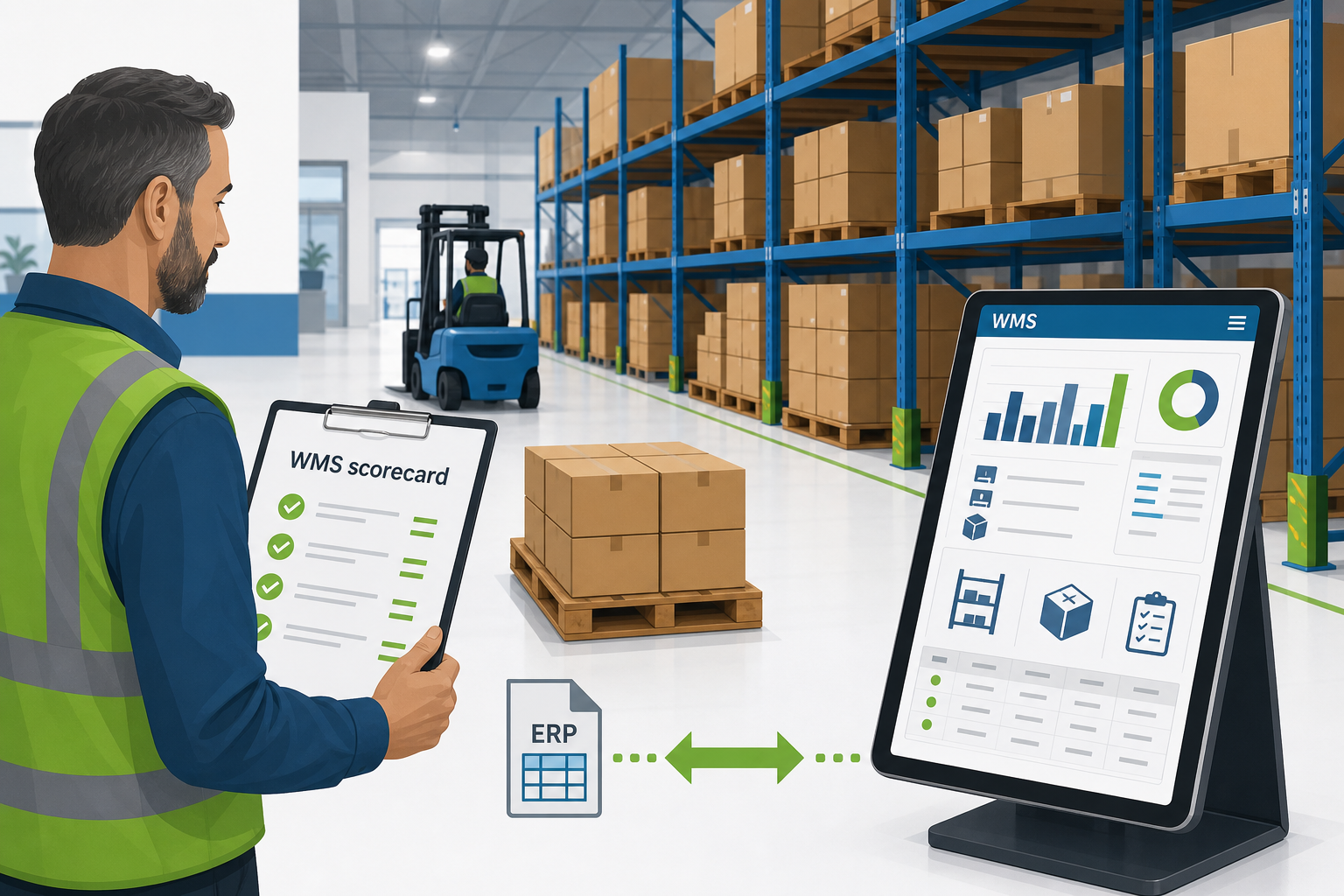
How to Choose a WMS in 2026: A Practical Buyer's Guide
The best WMS for your business is not the one with the longest feature list — it is the one that matches your ERP, your compliance rules, and how fast you can actually go live. This guide walks through a structured way to evaluate warehouse management systems in 2026.
5 Signs Your Business Has Outgrown Its Current WMS
Still running your warehouse on legacy software or patched-together spreadsheets? Here are the tell-tale signs it's holding you back — and what to do about it.
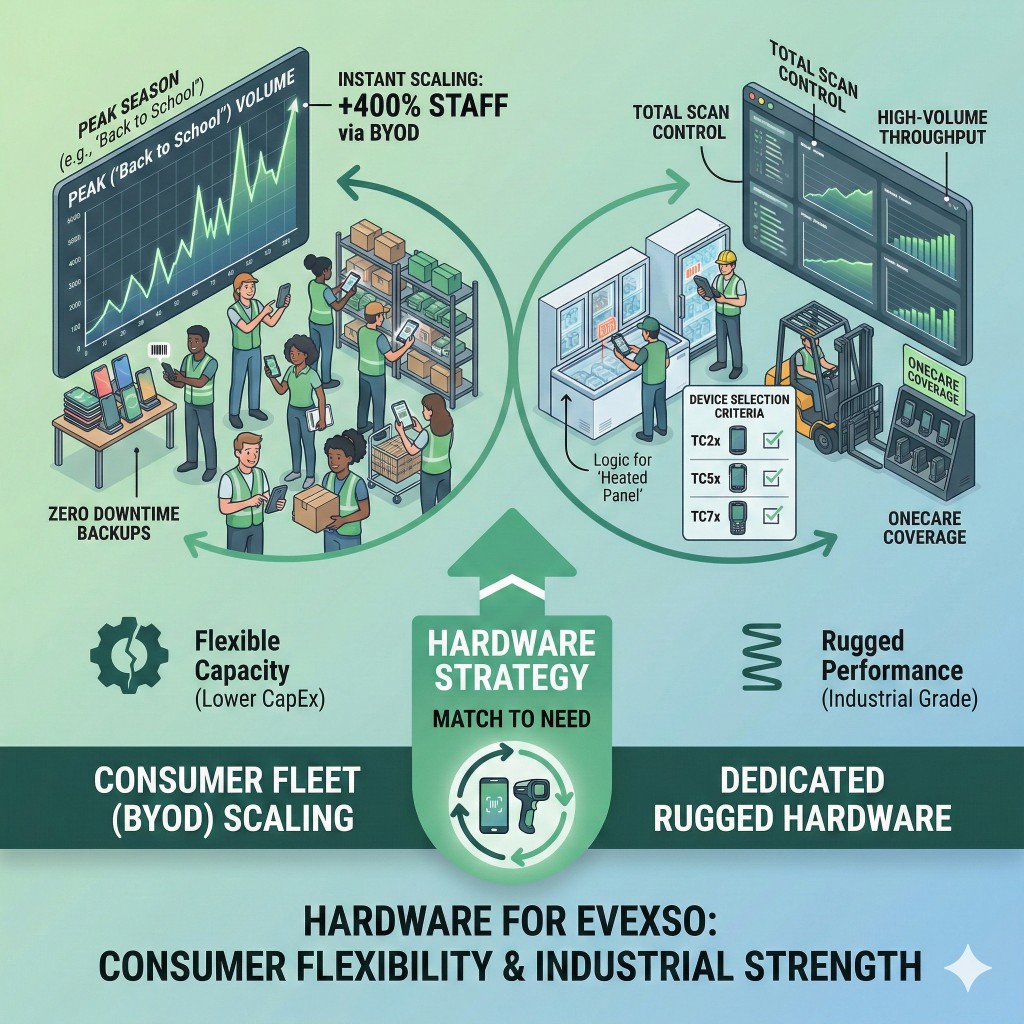
Hardware Selection for eveXso: Balancing Rugged Performance with Consumer Flexibility
Hardware selection for a modern WMS isn't about picking the "best" device—it's about matching the device to the environment and operational model. eveXso's Hardware Sovereign approach means you choose the hardware strategy that fits your business, not the other way around.
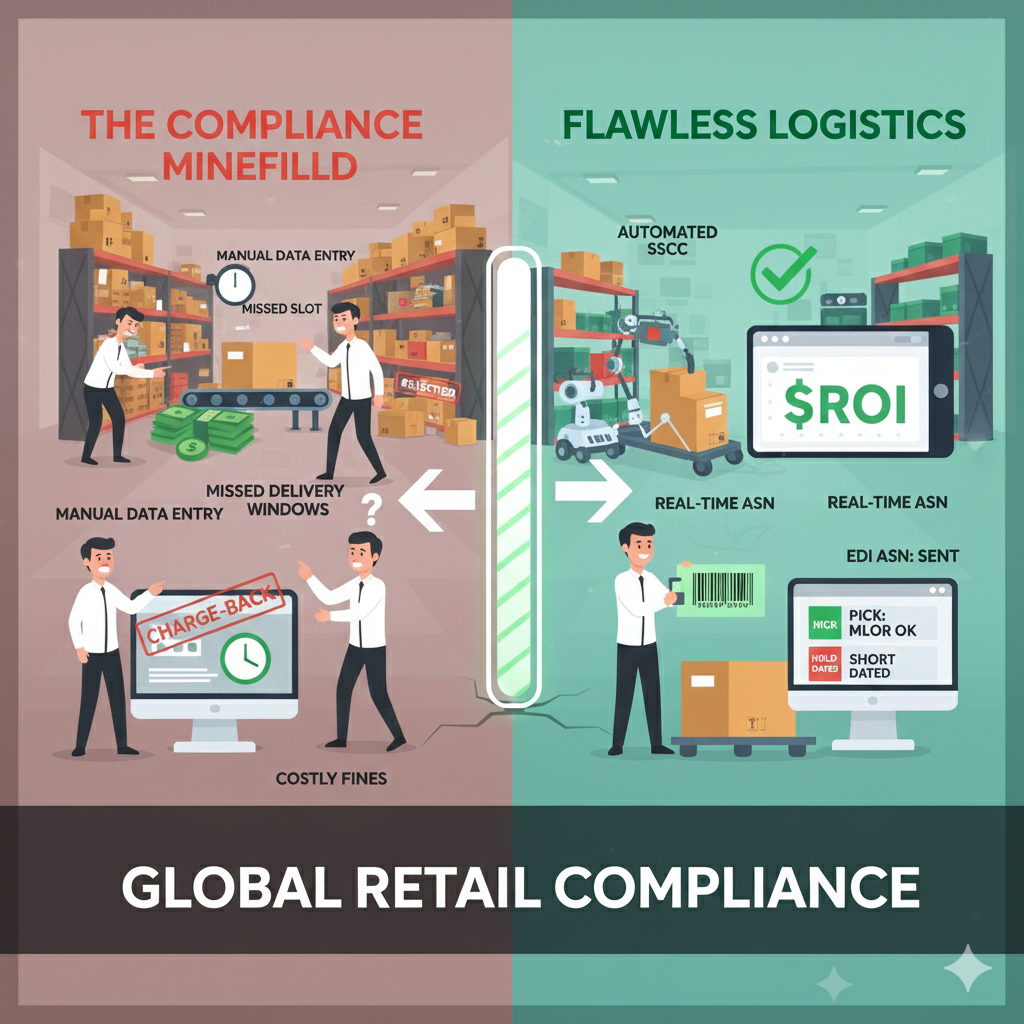
Global Retail Compliance WMS | SSCC, ASN & MLOR Automation
Supplying major global retailers and Tier-1 distributors requires more than just a great product—it requires flawless logistics. When operations move into high-volume retail, you are measured by your ability to meet strict global data standards. eveXso automates these requirements, ensuring your warehouse meets international compliance audits every time.
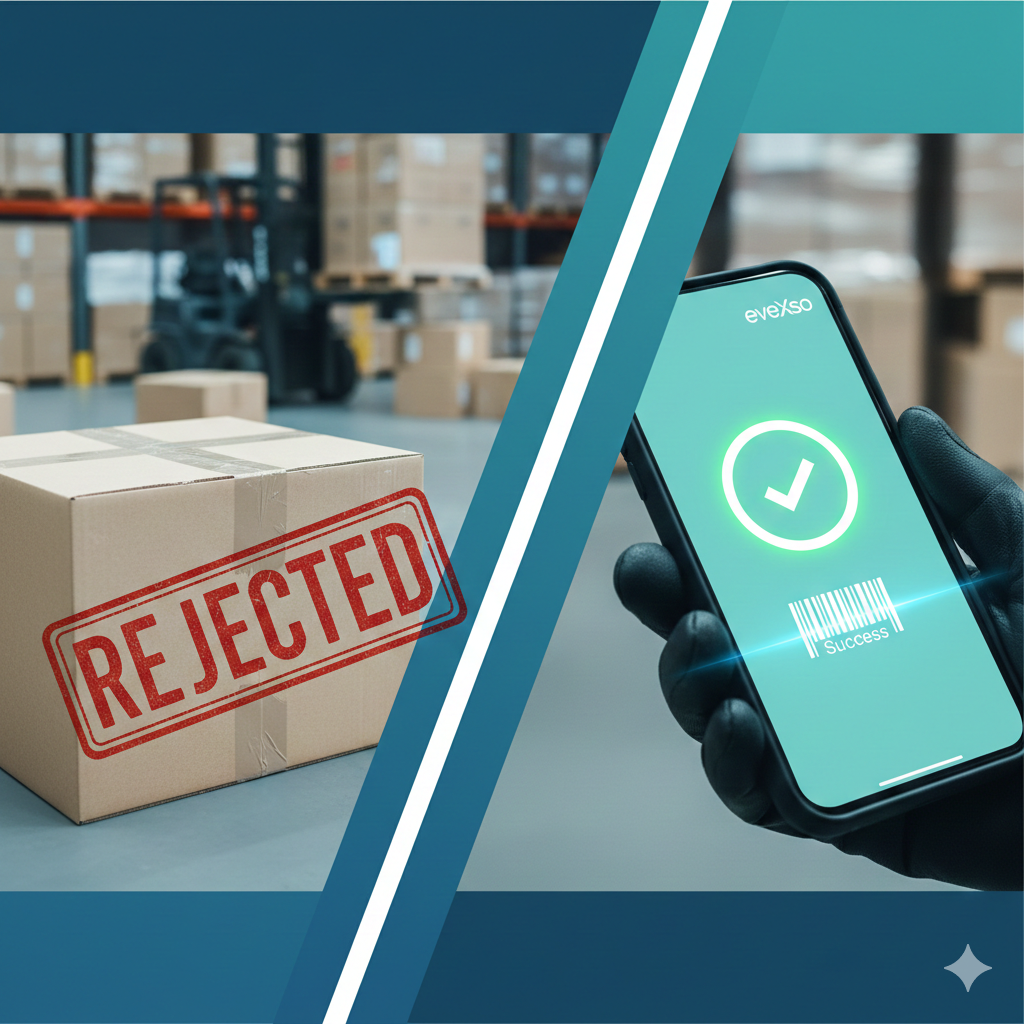
The Cost of a Wrong Pick: Reducing Warehouse Errors with Precision Tracking
A picker might move 100 items an hour, but if five are incorrect, the cost of returns, re-stocking, and damaged customer relationships wipes out those productivity gains immediately. Learn how modern tracking strategies tackle picking errors at the source.
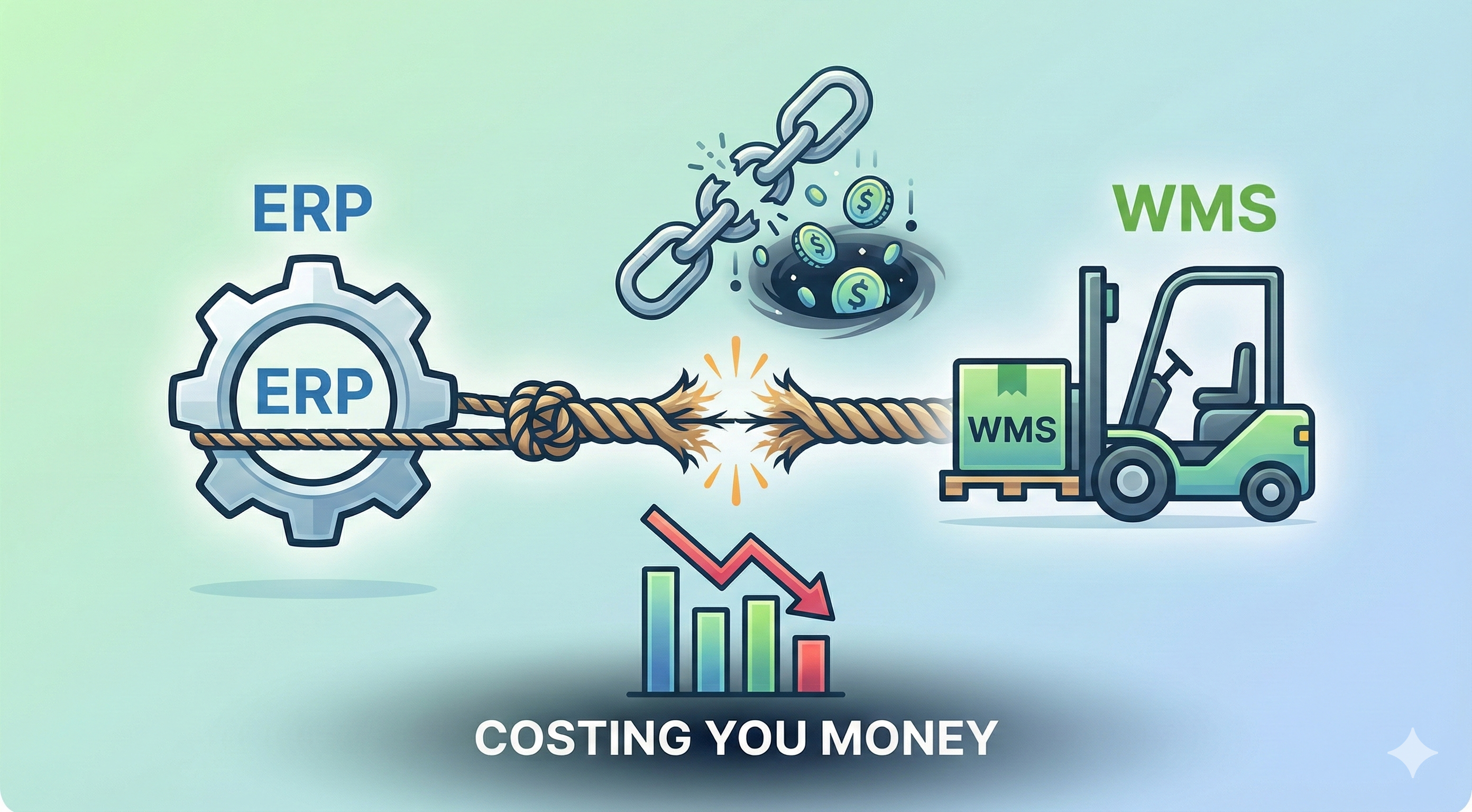
Why Your ERP and WMS Are Fighting (And Costing You Money)
Walking the floor of a warehouse usually feels productive. Forklifts are moving, packers are packing, and goods are shipping. It looks like money is being made. But the loudest problems usually aren't the ones hurting your bottom line the most. It's the silent issues—the invisible friction—that slowly bleed margins dry.
Want to Learn More?
Chat with our sales assistant about warehouse operations, integrations, or any topic from our blog.